
In 2023, 78 % of UK adults reported playing a game on their smartphone at least once a week – a figure that dwarfs the 42 % who still tune in to traditional TV primetime programmes. That shift isn’t just a curiosity; it’s rewriting the nation’s leisure schedule.
Shorter, more frequent sessions
Where a typical evening used to involve a single two‑hour block in front of the telly, mobile gamers now squeeze 10‑ to 20‑minute bursts into commutes, coffee breaks and waiting rooms. Data from a leading analytics firm shows the average daily gaming time has risen from 35 minutes in 2018 to 58 minutes today, while the average length of each session has fallen from 27 minutes to just 12. The result is a fragmented but constant stream of entertainment that competes directly with short‑form video and social media.
Cross‑platform habits
Many players start a game on their phone during a tube ride, then pick it up on a console at home to finish a level. According to a 2022 survey, 34 % of respondents said they own at least two devices they use for the same game. This fluidity blurs the line between “mobile” and “home” entertainment, forcing broadcasters and streaming services to rethink how they schedule premieres and ads.
Social interaction on the go
Multiplayer titles such as “Clash Royale” and “Among Us” have turned a solitary commute into a shared experience. In a recent poll, 61 % of UK gamers admitted they chat with friends while playing, compared with just 23 % who said they do the same while watching a TV show. The immediacy of push notifications also means friends can challenge each other in real time, a dynamic that traditional broadcast media simply cannot replicate.
Monetisation reshapes spending patterns
Microtransactions have become the norm. The average UK player now spends £9.50 per month on in‑app purchases, according to the Entertainment Software Association. That figure is modest compared with the £45 average spent on a monthly streaming subscription, yet the cumulative effect is a steady trickle of revenue that fuels constant content updates and keeps players hooked.
From idle pastimes to a legitimate leisure sector
Mobile gaming now accounts for roughly 25 % of the UK’s total entertainment expenditure, edging out cinema and live events in several age brackets. The industry’s growth has prompted the Office for National Statistics to include “digital gaming” as a separate category in its leisure surveys for the first time in 2023.
Bridging the gap to online casinos
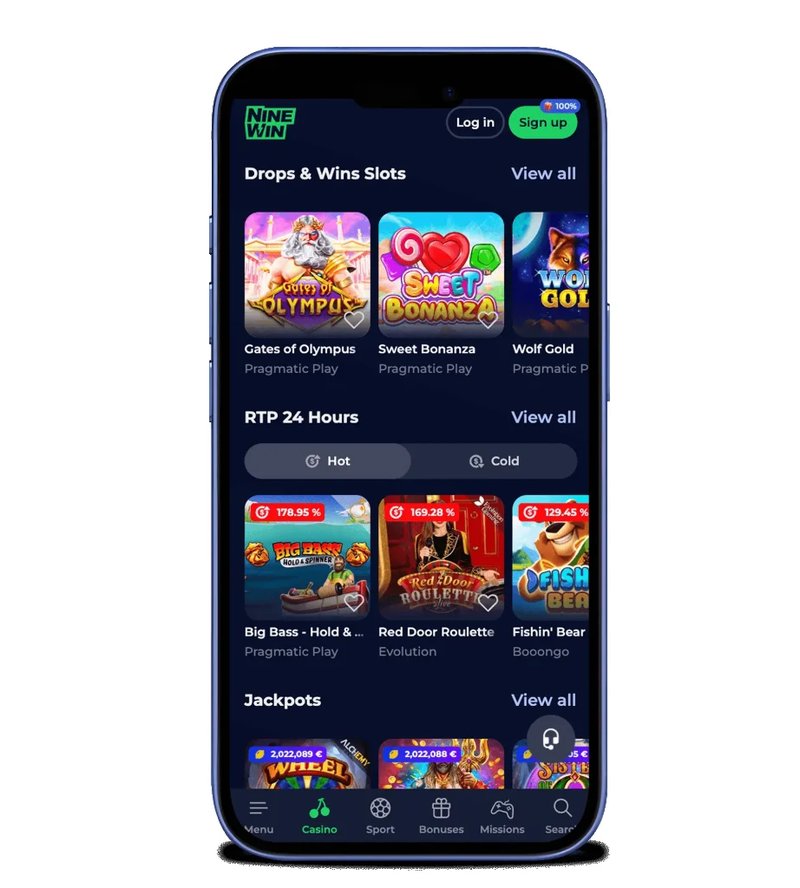
It isn’t surprising, then, that the same convenience that drives mobile gaming also feeds into online gambling. Platforms such as https://www.ninewincasino-uk.co.uk have leveraged the habit of short, frequent sessions to offer quick‑play casino games that fit neatly into a commuter’s schedule.
What the future might hold
Looking ahead, augmented reality could merge the physical and digital worlds, turning a park bench into a multiplayer arena. Meanwhile, 5G rollout promises lower latency, meaning cloud‑gaming services will finally deliver console‑grade experiences on a phone. If the current trajectory continues, the average Briton may spend more time interacting with a handheld screen than with any other form of entertainment by 2030.
Conclusion
The rise of mobile gaming is more than a fleeting trend; it is reshaping how, when, and with whom Britons enjoy their downtime. Shorter sessions, cross‑device continuity, and a new social grammar are already redefining the entertainment landscape, and the ripple effects will be felt across every corner of the leisure market.